
You've been hearing about digital marketing everywhere - on LinkedIn, in job ads, from that friend who "works online” - and now you’re finally ready to understand what it actually means and how to get started. But every time you search, you either land on something too basic ("marketing is promoting your business!") or too advanced (funnels, automation stacks, attribution modelling). Neither helps.
This guide is written for someone standing at the starting line in 2026. Not someone who needs theory - someone who needs a real, structured path to follow. We'll break down every major channel, explain how they work together, and give you an honest picture of what learning digital marketing actually looks like today.
Digital marketing is the practice of promoting products, services, or a brand using online channels - search engines, social media, email, websites, and paid advertising. But in 2026, that definition doesn't quite capture the full picture anymore.
Today's digital marketing is AI-assisted, data-driven, and deeply integrated across multiple platforms. It's not about posting on Instagram and hoping for the best. It's about understanding your audience, choosing the right channels, creating content that serves a purpose, and measuring everything you do.
The simplest way to think about it: if traditional marketing is a billboard on a highway, digital marketing is a smart ad that appears in front of exactly the right person, at the right time, on the device they're already using.
There are several major channels under the digital marketing umbrella:
You don't need to master all of these at once. But you do need to understand how they connect - and in 2026, they connect more tightly than ever.
There's a misconception that digital marketing is "too crowded" and it's too late to break in. The opposite is true. Here's why:
AI tools have made execution faster - but they've also created a flood of low-quality, generic content. Businesses that invest in genuine expertise, real strategy, and human-led creativity are standing out more, not less. Google's own algorithm updates in 2025 and 2026 have consistently rewarded content that demonstrates real experience and useful depth over thin, AI-spun pages.
The global digital marketing industry crossed $600 billion in ad spend in 2025. Every small business, e-commerce store, startup, and enterprise needs people who understand this space. That demand isn't slowing down.
If you start today with the right foundation, you'll be ahead of people who start six months from now - and far ahead of the ones who never start at all.
Every experienced marketer will tell you the same thing: most beginners rush to tools and tactics before they understand the strategy behind them. That's how you end up posting content that gets zero results and wondering what you're doing wrong.
The fundamentals you need to understand first:
Know your audience : Digital marketing only works when it speaks to a specific person with a specific problem. Before creating any content or running any campaign, you need to understand who you're talking to, what they want, what they fear, and where they spend their time online.
Understand the customer journey : People don't just see an ad and immediately buy. They go through a journey - Awareness (discovering you exist), Consideration (comparing options) , Decision (choosing to buy). Different channels serve different stages. Social media builds awareness. SEO captures consideration-stage searches. Retargeted ads and email push decisions.
Set measurable goals : "Get more traffic" isn't a goal. "Increase organic website traffic by 30% in 6 months" is a goal. Every channel you use should tie to a specific, trackable outcome.
Once these three things click, everything else makes more sense.
If you only had time to learn one thing in digital marketing, SEO would be the most valuable place to invest it. Search Engine Optimization is the process of making your website visible on Google for the searches your audience is already doing - without paying for ads.
Here's what SEO actually involves:
Keyword Research is figuring out what your target audience types into Google. Not just the obvious terms, but the specific questions, comparisons, and long-tail phrases that reveal real intent. Tools like Google Search Console (free), Ahrefs, and Semrush help you find these.
On-Page SEO - means optimizing individual pages - the title tag, meta description, headings (H1, H2, H3), and the content itself - so that Google understands what each page is about and who it should show it to.
Technical SEO covers the backend: how fast your site loads, whether it's mobile-friendly, how your pages link to each other, whether your site can be crawled and indexed properly. This is often overlooked by beginners but Google penalizes sites with technical issues regardless of how good the content is.
Off-Page SEO refers to building your website's authority through backlinks - other reputable websites linking to yours. This signals to Google that your site is trustworthy and worth ranking.
Content Strategy is where it all comes together. SEO without good content doesn't work. You need to create pages and blog posts that genuinely answer what people are searching for, in more depth and with more accuracy than what currently ranks.
A crucial distinction in 2026: Google now heavily evaluates content based on what's called E-E-A-T - Experience, Expertise, Authoritativeness, and Trustworthiness. Generic, surface-level content won't rank anymore. Your content needs to demonstrate real knowledge.
SEO is a long-term game. Most sites see meaningful results in 3-6 months, with strong, stable rankings taking up to a year. But the traffic it generates is compounding - it builds over time without requiring you to keep spending money. That's why it's the backboe of any serious digital marketing strategy.
If you want to see how SEO and content work together in practice, the team at Elysian Digital Services has a deep breakdown of this in their long-form content guide, which explains why detailed, well-structured content is what drives sustainable organic growth - something their blog post on long-form content and what it means for blogs and websites covers thoroughly.
Content marketing and SEO work together, but they're not the same thing. SEO tells you what to write. Content marketing is about how you write it, what format works best, and how you distribute it beyond just search.
In 2026, content marketing includes:
The most common mistake beginners make: creating content for themselves rather than for their audience. Every piece of content should answer a specific question, solve a real problem, or help someone make a decision. If it doesn't serve the reader, it won't perform.
A useful rule of thumb: before writing anything, ask "what would someone type into Google to find this?" If you can answer that clearly, you have your content direction.
Social media in 2026 is not just about posting. It's about consistently showing up in a way that builds trust, demonstrates expertise, and creates a community around your brand or your clients' brands.
Different platforms serve different purposes:
LinkedIn is the dominant platform for B2B marketing, thought leadership, and professional services. Long-form posts, case studies, and behind-the-scenes content perform well here. If you're building a personal brand as a marketer, LinkedIn is non-negotiable.
Instagram and TikTok are where visual and short-form video content lives. They work best for lifestyle brands, e-commerce, food, fashion, and entertainment - but increasingly for any brand that can show (not just tell) their value.
YouTube is the world's second-largest search engine. Video content on YouTube has far longer shelf life than any other platform - a video from two years ago can still drive traffic today.
Facebook remains relevant for community-building (especially in groups), local businesses, and paid advertising through Meta's ad platform.
The golden rule of social media marketing: consistency over frequency. It's better to post three times a week with strong, valuable content than to post daily with low-effort filler.
For beginners, pick one or two platforms where your target audience actually is - and master those before spreading yourself thin. Understanding how social media and SEO complement each other is a topic worth exploring further; the real power of social media in modern marketing article goes into depth on how organic social content and brand visibility work together in the current landscape.
SEO takes time. If you or your client needs results now, paid advertising fills that gap. PPC (Pay-Per-Click) means you pay every time someone clicks your ad - but when done well, those clicks turn into leads and sales that more than justify the spend.
The two main platforms to understand as a beginner are:
Google Ads - ads that appear at the top of Google search results when someone searches for specific keywords. These are high-intent clicks because the person is actively searching for what you offer. Google Ads is where most digital marketing budgets begin.
Meta Ads (Facebook and Instagram) - ads that appear in users' feeds and stories based on demographics, interests, and behaviors. These work differently from search ads: you're interrupting someone who wasn't necessarily looking for your product, so the creative (image, video, headline) has to stop the scroll.
For beginners, the biggest mistakes in PPC are:
PPC is also where understanding your audience pays off most directly. The more precisely you target, the less you waste.
You can learn more about how PPC campaigns actually work, what the key metrics mean, and how to structure your first campaign in this comprehensive guide to PPC advertising - it's a solid starting point for anyone new to paid media.
Email marketing consistently delivers the highest return on investment of any digital marketing channel - often cited at $36–$42 return for every $1 spent. And yet it's one of the most underused channels by beginners.
Here's why email works so well: the people on your list have explicitly opted in to hear from you. They're not random strangers being targeted by an algorithm. They raised their hand and said "yes, I want your content." That makes them significantly more likely to engage and buy compared to cold traffic.
The basics of getting started with email:
Email isn't glamorous. But it's the most direct line you have to your audience, and it's completely platform-independent - unlike social media, where algorithm changes can wipe out your reach overnight.
Every channel we've covered generates data. Analytics is the practice of reading that data to understand what's working, what isn't, and what to do next.
The non-negotiable tools for beginners:
Google Analytics 4 (GA4) - tracks everything happening on your website. Where traffic comes from, what pages people visit, how long they stay, which pages cause people to leave, and which traffic sources lead to conversions.
Google Search Console - shows you how your site performs in Google search. Which keywords you're ranking for, how many people see and click your listings, and whether Google has flagged any technical issues.
Meta Business Suite - if you're running Meta ads or managing a brand's Facebook/Instagram, this gives you performance data on both organic and paid content.
The habit to build: check your analytics weekly. Not to panic over fluctuations, but to spot trends over time. Is organic traffic growing? Which blog posts are bringing in the most readers? Which ad audiences are converting? The data tells a story - your job is to learn to read it.
You don't need expensive software to start. Here's a beginner-friendly toolkit:
As you get more advanced, tools like Ahrefs, Semrush, HubSpot, and Hotjar become valuable. But starting simple is the right move - master the fundamentals before adding complexity.
Here's something most beginner guides miss: no channel works best in isolation. The real power of digital marketing comes from integration.
Think of it this way: SEO drives someone to your blog. Your blog showcases your expertise and builds trust. A popup on that blog page offers a free resource in exchange for their email. You follow up via email with case studies and more value. You retarget them on Facebook with a specific offer. They finally book a call or make a purchase.
That's not seven separate channels - that's one connected journey. Each channel is serving a different stage of the customer relationship.
This is why at Elysian Digital Services, the approach to digital marketing is always integrated. Rather than treating SEO, social media, and paid ads as separate silos, the most effective strategy combines them into a cohesive system where each channel reinforces the others. Their SEO services and social media marketing services are built around this principle - everything tied together with clear goals and measurable outcomes.
There are more ways to learn digital marketing today than at any point in history - free courses, certifications, YouTube tutorials, and hands-on practice. But the path that actually works looks like this:
Start with one channel: Pick the area most relevant to your goal (SEO if you want organic growth, social media if you're building a brand, PPC if you need fast results) and go deep before going wide. Shallow knowledge of everything is less valuable than genuine expertise in one area.
Do the work, don't just watch: Creating your own website and writing real SEO content, managing a small ad budget on Meta, building a real email list - these experiences teach you more than 100 hours of courses. The learning is in the doing.
Build a portfolio: Whether it's a case study of your own blog's growth, a freelance project you managed, or an internship, you need proof of work. Employers and clients don't just want people who know theory - they want people who have actually executed.
Stay updated: Digital marketing changes fast. Google's algorithm updates, new platform features, shifts in how AI is changing search - these things matter. Following industry sources like Search Engine Journal, Neil Patel's blog, and Moz keeps you informed.
Digital marketing is one of the most flexible career paths in 2026. You can work in-house at a company managing their own marketing, join a digital agency working across multiple clients, or go freelance offering specialized services.
Common entry-level roles include:
Salaries in India for entry-level digital marketing roles typically start between ₹2.5-4 LPA, rising to ₹6-10 LPA with 2-3 years of solid experience. Specialized skills like technical SEO, performance marketing, or marketing automation command premiums above this range.
The fastest way to get hired or land your first client? Have work to show. A personal blog with real traffic. A social media account with genuine engagement. A case study from a small project. These carry more weight than certifications alone.
Trying to do everything at once: Digital marketing has dozens of channels and sub-disciplines. Beginners who try to master SEO, PPC, email, social media, and content simultaneously end up mediocre at all of them. Start with one channel, get results, then expand.
Copying without understanding: Replicating what a competitor is doing without understanding why it works leads to wasted effort. Study what's working, then figure out the strategic reason behind it.
Ignoring data: Creating content or running ads and never checking the numbers is like driving with your eyes closed. Every action should generate a learning.
Expecting instant results: SEO takes months. Brand-building on social media takes months. Even paid ads need testing time. Digital marketing is a compounding investment - the results grow over time, not overnight.
Creating for algorithms, not people: Google's job is to surface content that genuinely serves users. If you optimize for humans first - real value, clear writing, honest expertise - the algorithm tends to follow.
Q: How long does it take to learn digital marketing as a beginner?
You can grasp the fundamentals in 3-4 months, but getting to a job-ready or client-ready level takes around 6-12 months of consistent, hands-on practice.
Q: Do I need a degree to get into digital marketing?
No. Free certifications from Google, HubSpot, and Meta are widely respected. What matters more is a portfolio showing real work and results.
Q: What's the difference between SEO and SEM?
SEO focuses on earning organic (unpaid) rankings through content and optimization. SEM is the broader term that includes both SEO and paid search advertising (Google Ads).
Q: Which social media platform should I focus on first?
Go where your target audience actually is - LinkedIn for B2B, Instagram or TikTok for visual/lifestyle brands, YouTube if you're creating video content.
Q: How much does it cost to start learning digital marketing?
You can start for free using tools like Google Analytics, Search Console, and Canva. A small test budget of ₹3,000-₹5,000/month is enough to begin experimenting with paid ads.
Q: Is digital marketing still relevant with AI tools everywhere?
More relevant than ever. AI speeds up execution but can't replace strategy, audience understanding, or genuine expertise - the skills that actually drive results.
Q: Can I handle digital marketing for my own business without an agency?
Yes, for basics like social media and email marketing. But as you scale, specialized areas like technical SEO or advanced paid advertising often deliver better ROI with expert help.
Digital marketing in 2026 is not a shortcut to overnight success. It's a skill - one that rewards consistency, curiosity, and the willingness to actually do the work. Whether you're building a career, growing your own business, or managing marketing for a client, the path starts the same way: understand your audience, master one channel, measure your results, and build from there.
Learn more about the expert behind this content and their industry experience.
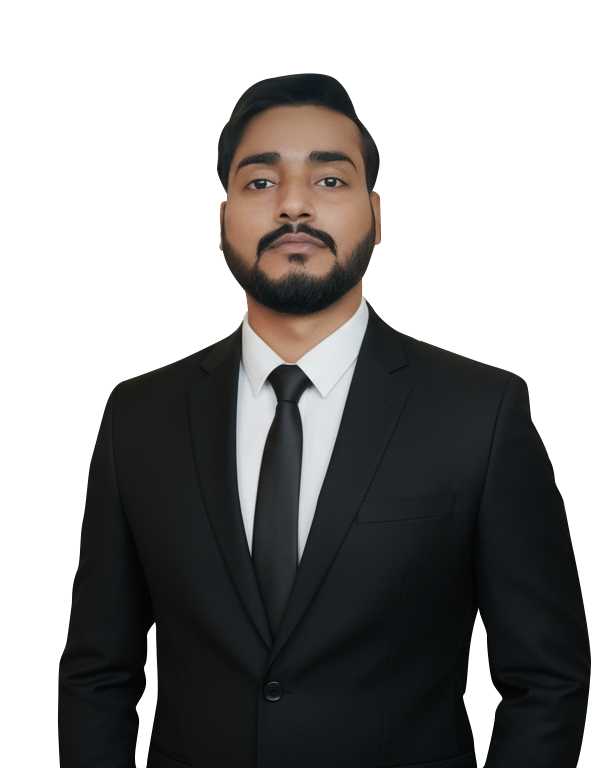
Bijendra Thakur is an SEO Specialist with 7+ years of experience in driving organic growth and dominating search rankings. He specializes in on-page, technical SEO, and advanced content strategies that improve visibility and generate high-quality leads. Bijendra has successfully helped businesses rank on Google’s first page, boost traffic, and achieve long-term results through data-driven SEO techniques.
Discover tailored digital marketing solutions designed to boost your visibility, increase ROI, and support your business growth. Connect with our experts today.
Get In Touch